In today’s advanced manufacturing environment, precision, speed, and material efficiency are no longer aspirational benchmarks — they are baseline expectations. From automotive components to architectural panels and intricate engineering prototypes, the demand for cleaner cuts, faster turnaround times, and minimal waste continues to shape the competitive strategies of fabrication firms across the world. While traditional mechanical cutting still has a place, it is increasingly supplemented or replaced by digitally guided cutting technologies that can deliver levels of accuracy almost impossible to match with manual tools.
The Cost Pressure of Precision
The industrial sector has faced unusual volatility over the past few years. Fluctuating metals prices, global shipping delays, and new regulatory pressures on waste generation have pushed manufacturers to rethink every stage of their workflow. Cutting, which was once treated as a basic upstream operation, has become strategically important. A poor cut can increase scrap rates, slow down fabrication schedules, and even compromise the structural integrity of a final assembly.
Companies that manage to deliver predictable tolerances while reducing time-to-production are seeing measurable wins in efficiency. Digital cutting systems, particularly those relying on CAD-to-machine workflows, provide a compelling advantage by minimizing human error and compressing lead times. Small variations in cut quality that once forced manual corrections can now be eliminated entirely.
Materials and Complexity
An overlooked driver behind modern cutting techniques is material diversity. Manufacturers now regularly work with stainless steel, aluminium, brass, copper, composites, acrylic, plywood, and even engineered plastics. Each material responds differently to mechanical stress, vibration, and heat. As product designers integrate thinner sheets, layered materials, and more complex geometries, older fabrication systems struggle to keep pace.
Digitally controlled cutting methods excel at nested layouts — the process of arranging multiple components on a sheet to reduce waste. Sophisticated nesting software can allow manufacturers to fit more usable parts per sheet, improving margins, sustainability profiles, and production economics simultaneously. In sectors like architecture and bespoke furniture, it has opened creative design possibilities that were previously impossible without unreasonable labor costs.
Efficiency, Sustainability, and the Race to Automate
Automation has become a competitive imperative. Businesses that adopt automated cutting in early workflows tend to see proportional gains in downstream assembly and finishing operations. Reduced handling means reduced workplace risk, fewer bottlenecks, and more predictable output running into downstream bottlenecks less frequently.
Sustainability regulation adds another layer of incentive. Reducing scrap metal and discarded materials is no longer just good practice but an expectation across multiple supply chains. Digital fabrication helps control waste mathematically rather than by inspection. This means sustainability becomes quantifiable rather than reactive.
A New Layer of Precision
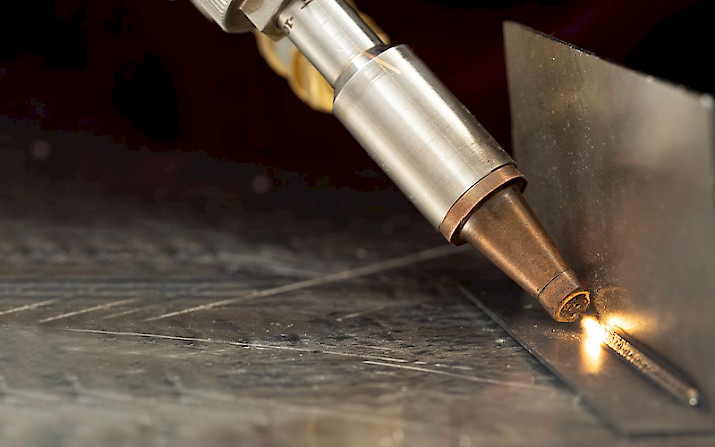
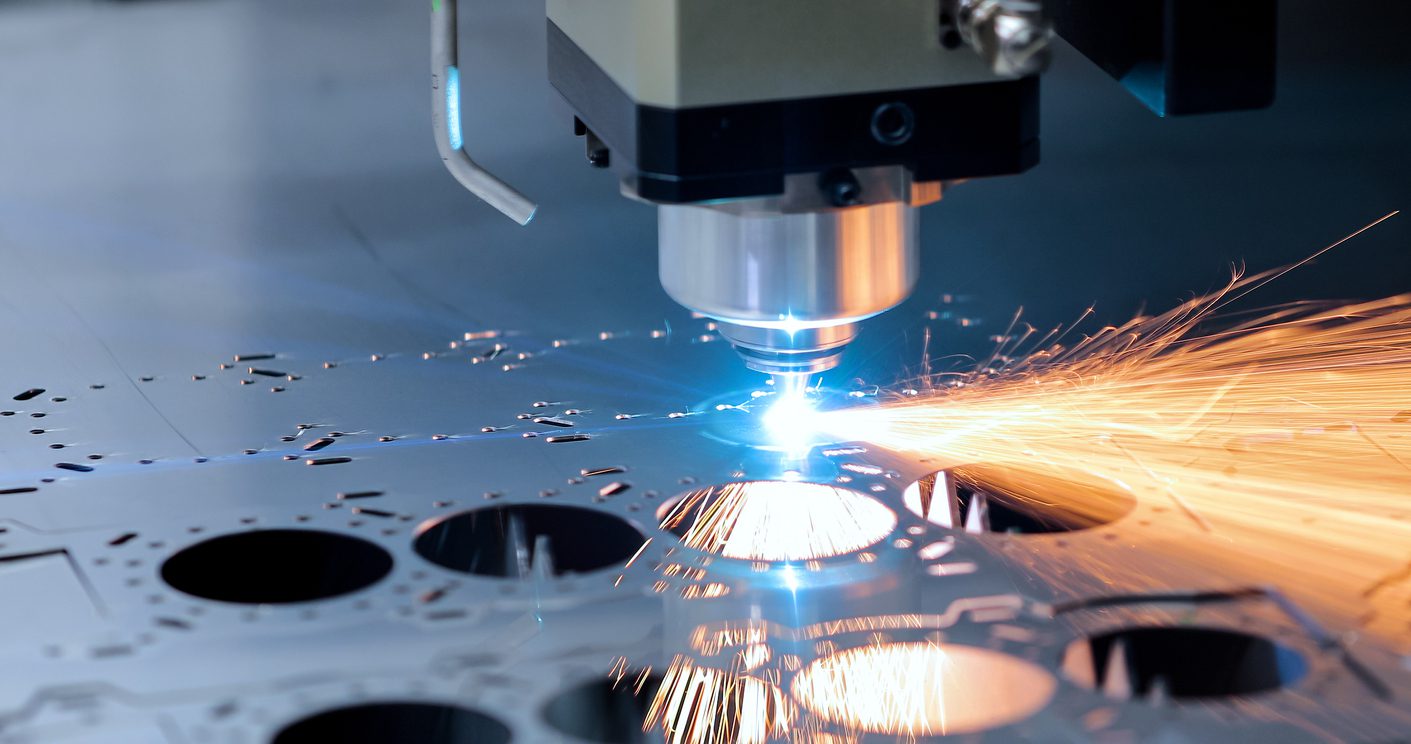
At the core of this shift is the expansion of high-precision cutting technologies into mainstream industries. Whether producing architectural facades, prototype electronics housings, or custom automotive parts, the ability to produce intricate shapes with smooth edges and consistent repeatability can define competitive advantage. This is where many manufacturers turn to advanced solutions such as a laser cutting service, which offers highly accurate results, minimal distortion, and fast turnaround cycles for both production and prototyping needs.
Market Dynamics and Future Outlook
Analysts expect digital fabrication to continue expanding as engineering teams adopt software-driven design and distributed manufacturing models. Instead of producing thousands of identical components, companies are exploring short-run, on-demand fabrication where only what is needed is produced. This reduces inventory costs, speeds iteration cycles, and opens new commercial categories such as mass customization.
In construction and built environment sectors, the shift is even more pronounced. Custom metalwork for facades, paneling, roofing, and interior finishes now lean heavily on digital cutting to handle complex patterns and layout requirements. The result is a wave of contemporary architectural design that blends manufacturing aesthetics with functional performance.
Conclusion
Manufacturing is not merely adopting new cutting methods; it is redefining what cutting represents in the production lifecycle. The move toward digital, automated, and software-driven fabrication is accelerating because it aligns with every major macro trend — sustainability, precision, customization, resilience, and cost control. While legacy equipment will likely remain in use for many years, the competitive frontier is increasingly defined by those who adopt smarter workflows early and at scale.